
Game reference
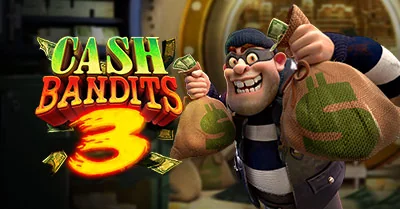
Cash Bandits 3
A prison-escape themed slot reference from the supplied Sunrise Slots catalogue.
Source: Sunrise Slots game catalogue.
Read the source version’s current rules. This reference does not establish availability, game configuration or payout terms for another service.
Return to the game collection →A slot screen can begin with a familiar picture: a row of symbols, a landscape, or a character waiting beside a grid. What happens next gives each game its own rhythm. One title may return to a set of reels after every spin; another may clear a group of symbols and let new ones fall into place. ComeOn’s casino listing includes slots alongside live casino and card games, placing these different visual styles in the same broad collection.
This feature looks at the design of slot games through examples and themes. The ComeOn site presents game cards as references; its account panels are previews and real-money play is not connected. The named examples below are discussed as games from their creators, not as confirmation that they are available on this site.
A collection of different visual worlds
The game section brings together titles including Cash Bandits 3, Gemtopia, Plentiful Treasure and Icy Hot multi-game. Their artwork gives each card a different character before a reader opens a detail. Some lean into treasure and colour; others build a setting around a recognisable cast or contrasting symbols. That first impression is part of the appeal of a slot collection: a small image can suggest a whole setting.
A collection also makes the differences between games more apparent. Titles may use reels, grids, animated characters or distinct feature rounds. Their artwork alone does not establish a game’s rules or whether it is offered by a particular operator. It does, however, show why a slot catalogue is more varied than a list of identical spinning reels might suggest.
Reels, grids and the pace of a round
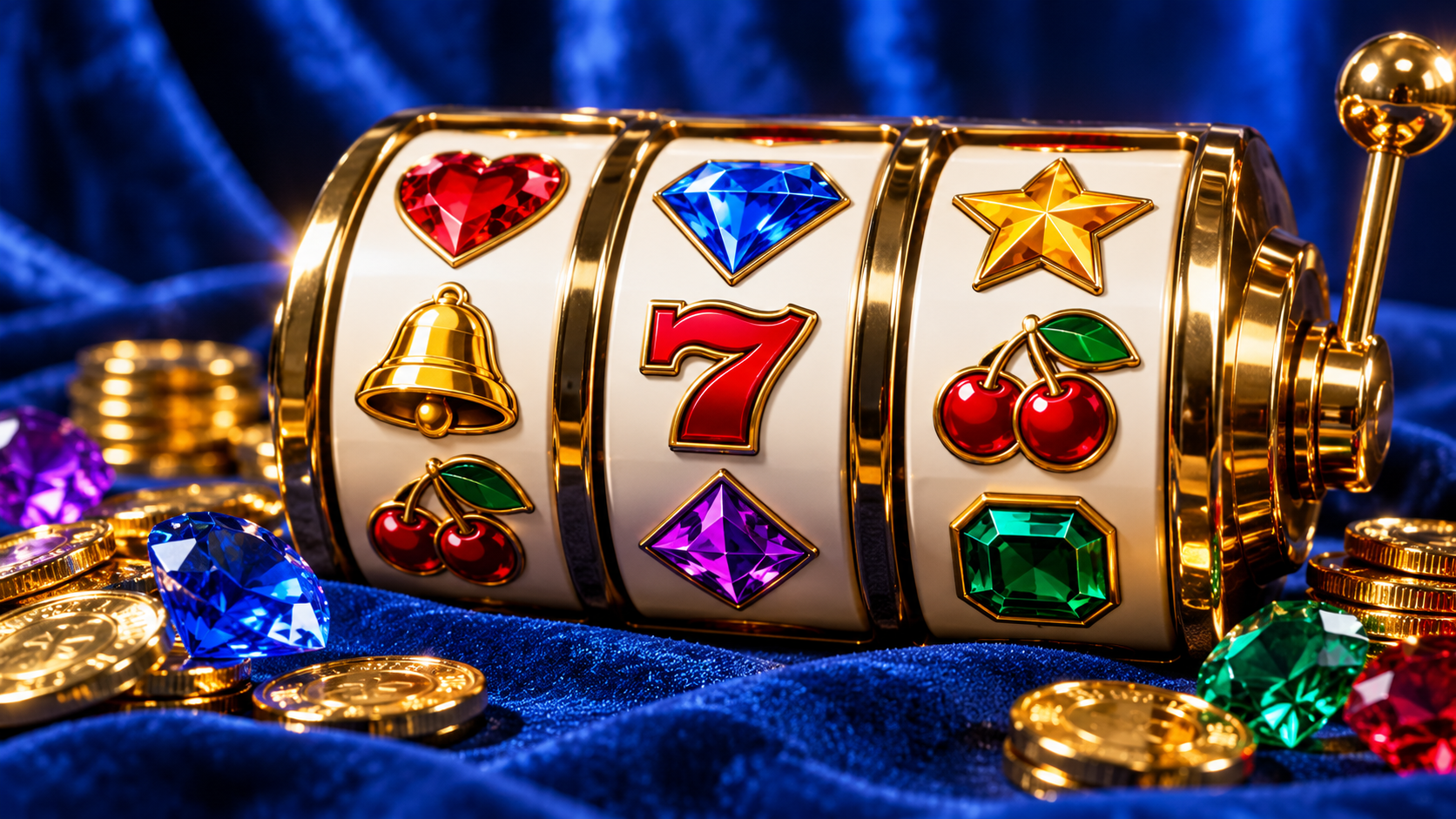
Traditional slot imagery often centres on reels that stop to reveal symbols in fixed positions. The pattern visible at the end of the spin matters, and the design may highlight a line or group that contributes to a result. A different style starts with a grid and gives the board another movement: matching symbols disappear, making room for new ones to fall. The round can feel less like a single reveal and more like a sequence unfolding on one screen.
Those visual choices influence the pace of a game. Reels make a clear beginning and end easy to recognise. A cascading grid can hold attention on changes within the same board. Neither presentation guarantees a particular result; each is a way of arranging the information and animation that a player sees.
Two examples from Play’n GO
Book of Dead uses an adventure setting and a familiar reel-based presentation. Its explorer, ancient symbols and desert palette provide a story around the screen. A special symbol has a role in the game’s features, giving the same image more than a decorative purpose. The combination of recognisable figures and a clear grid makes its theme easy to identify.
Moon Princess takes a different visual direction, with an animated cast and a grid that changes through a sequence of falling symbols. The characters and bright palette create a very different atmosphere from the ancient-adventure setting of Book of Dead. Both examples come from their creator’s pages. Their use here illustrates design differences and does not establish a relationship between the creator and this publication.
Why the symbols matter
A picture on a slot screen can perform more than one job. It may be part of the game’s theme, identify a character or represent an object within the story. Depending on the named game, a symbol may also have a specific role in a feature or a combination. A game’s own information is the place where those roles are described; the same looking icon in another title may work differently.
Sound and animation add another layer. A restrained design might use a short highlight after a result, while an animated title can use movement, dialogue or changing backgrounds to carry its theme. On a small screen, clarity matters as much as decoration: symbols need to remain distinct, and any information about the game needs to be readable.
The atmosphere around the reels
A game’s setting gives the reels a sense of place. The mood might be adventurous and cinematic, playful and colourful, or built around familiar objects arranged with a touch of humour. An image on a game card can suggest that world in a moment, while the larger screen has room to develop it through colour, sound and movement.
The same basic idea can be presented in very different ways. A treasure theme might use gold, stone and a landscape beyond the reels. A character-led game can place expressions and animation at the centre. A bright multi-game design may instead bring several small visual ideas together. These are choices of presentation, and each gives a game its own personality.
For readers browsing ComeOn, the variety is the starting point: treasure scenes, contrasting colours, card-themed imagery and character-led grids each offer a different visual experience. The name and artwork introduce each example, while the details of a particular game depend on its own version and the service on which it appears.